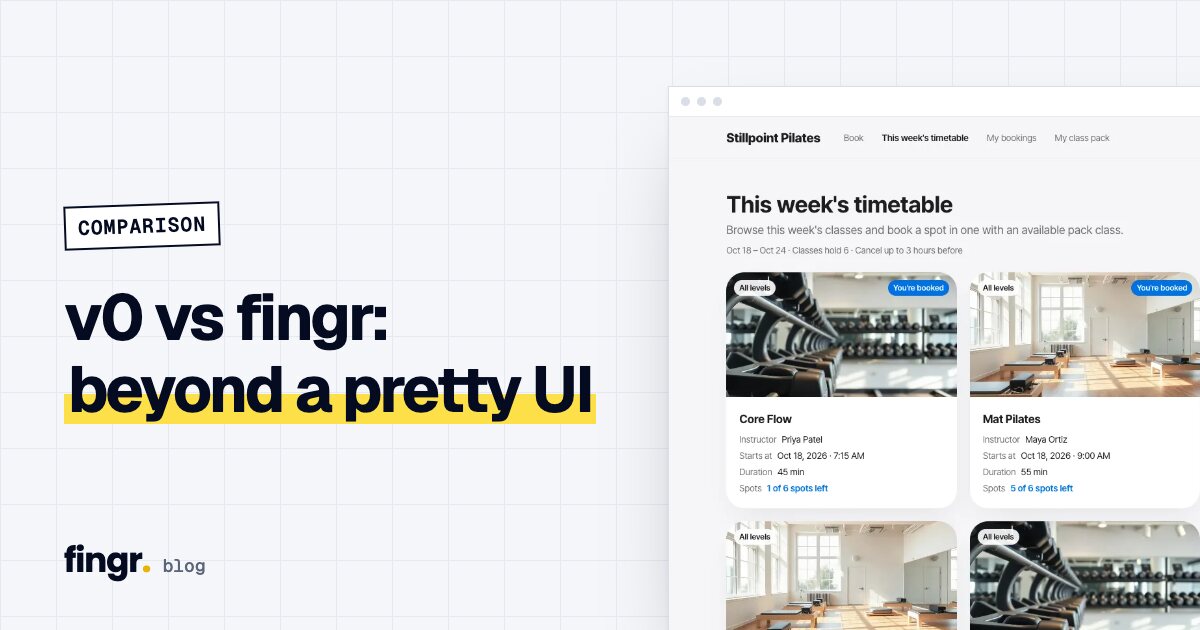
v0 vs fingr (2026): Polished UI or a Business App You Can Run?
v0 by Vercel and fingr compared on design quality, data and logins, deployment, cost, and who each fits. Written for founders and small business owners, not developers.
· 7 min read
Key takeaways
- v0 is Vercel's AI app builder. It produces clean React and Next.js interfaces very quickly.
- To run a real service on v0, you still wire up a database, logins, and payments yourself.
- fingr walks you from idea to questions, optional market research, feature picks, design, and then a working app with sign-up, data storage, and an admin dashboard.
- Pick v0 when you need fast, beautiful front-end work. Pick fingr when you need an app your business can use today.
What v0 is good at
v0 comes from Vercel, the hosting company behind Next.js. It started as a generator for UI components: describe a pricing table or a dashboard card and get working code back. In 2025 it became v0.app and grew into a builder for whole apps.
Its strengths are real:
- Interface quality. It builds with React, Next.js, and Tailwind, the stack most modern web teams use, and the output looks sharp.
- One-click deploys. Because it's a Vercel product, publishing to a live URL takes seconds.
- Designer-friendly. You can bring in Figma files and turn them into code.
- Hand-off to developers. GitHub sync means an engineer can pick up where you left off.
For a designer turning mockups into code, or a front-end team trying to move faster, v0 is a great fit.
Where it gets harder: everything after the screens
Say you run a yoga studio and ask v0 for a class booking app. The schedule, the booking form, and the confirmation page show up fast. Then the questions start:
- When a client books, where is that saved? You need a database service.
- How do clients see only their own bookings? You need an auth provider and access rules that decide who can read what.
- Where do you check today's bookings and mark no-shows? That's a separate admin screen you have to ask for.
- What about card payments and text reminders? Each one is another service to connect and configure.
v0 keeps adding integrations to help with this. Still, someone has to pick the services, paste the keys in the right place, and get the access rules right. Without a technical background, that last mile takes the most time, and mistakes there can expose customer data.
How fingr approaches it
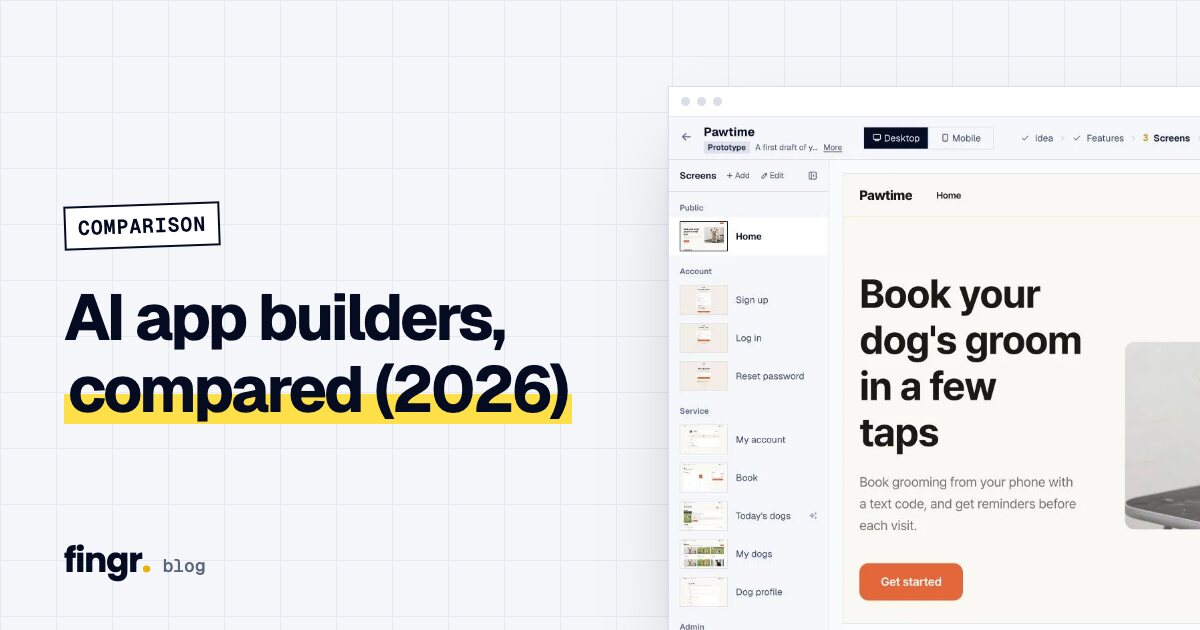
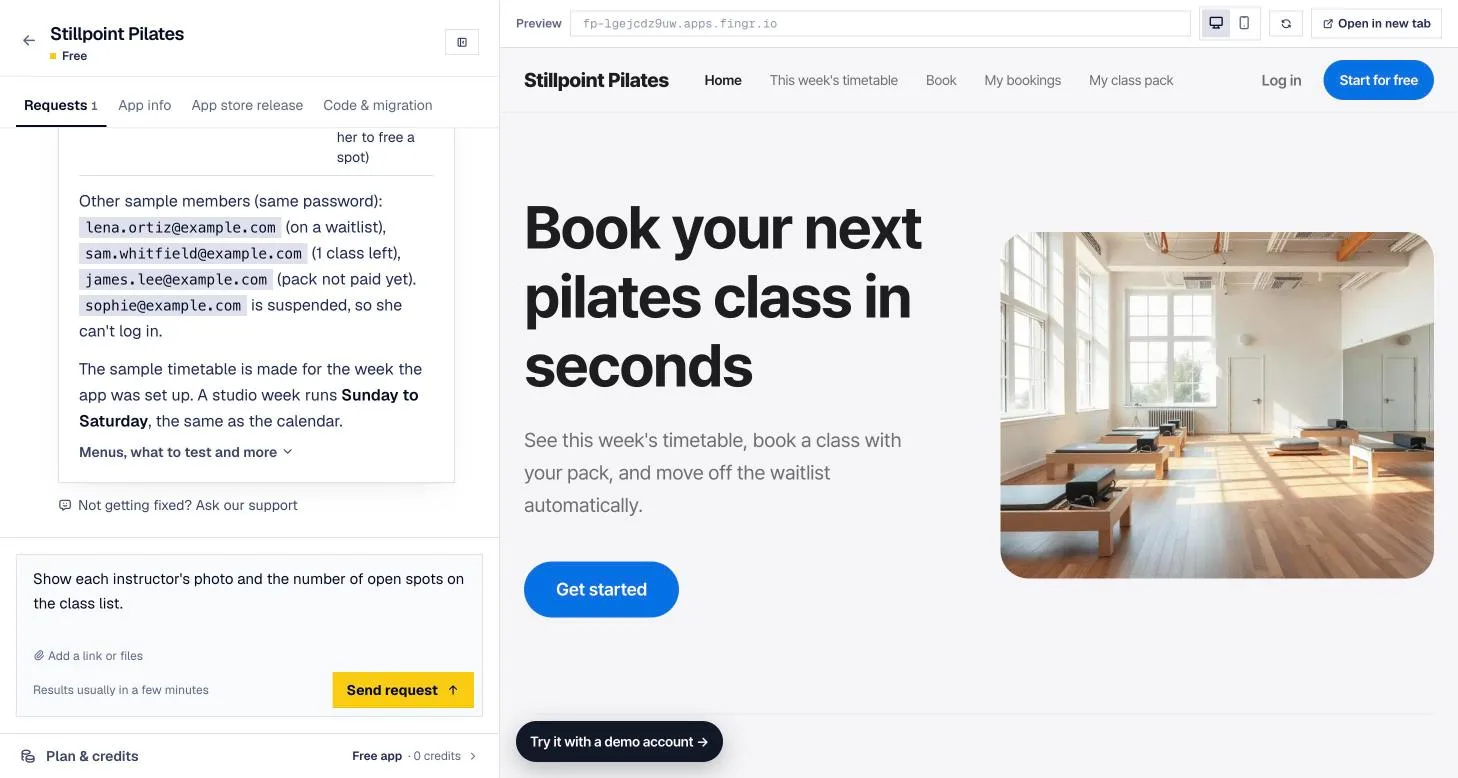
fingr is built around one goal: a working app for your business, not just a set of screens. The flow looks like this:
- Describe the idea in a sentence or two. You can add a link to a similar service or upload a brief (PDF, Word, slides, photos).
- Answer a few questions. Only the ones that change the result, like who uses the app (your team, your customers, or anyone) and how it makes money.
- Optional market research. AI searches the web and summarizes similar services, their prices, a suggested revenue model, must-have features, and risks. It usually takes about a minute.
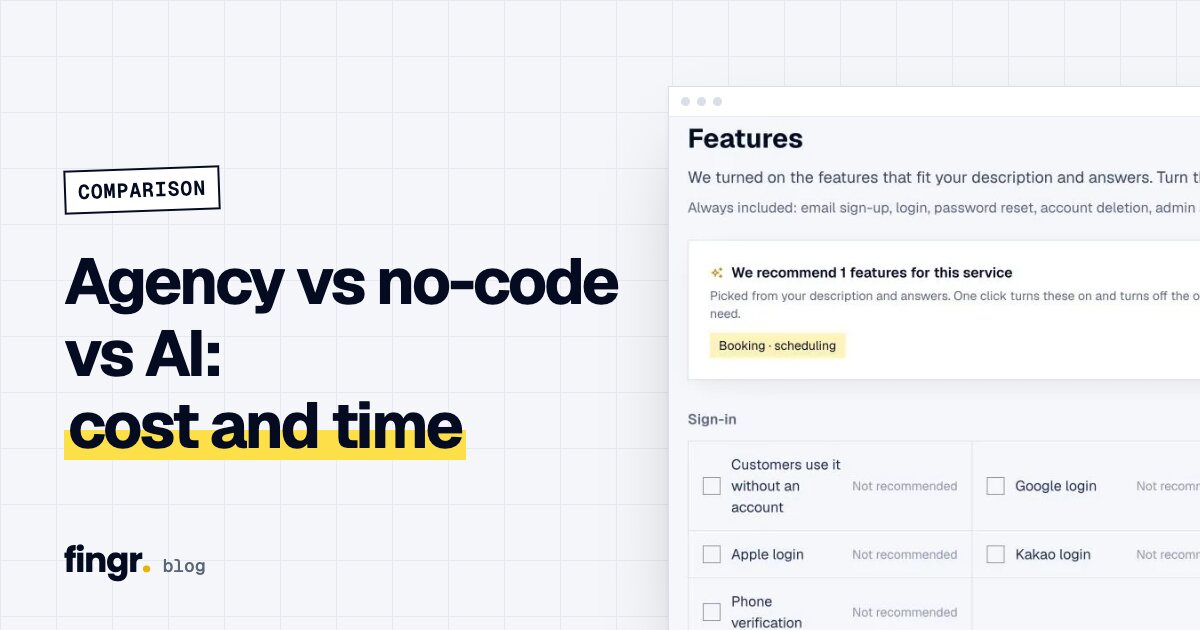
- Pick features from a suggested list and choose a design template.
- Edit the design on real screens: copy, layout, colors, fonts.
- Build the real app. fingr follows your design and adds sign-up, login, data storage, and payments. It usually takes a few minutes, and you get an email when it's done.
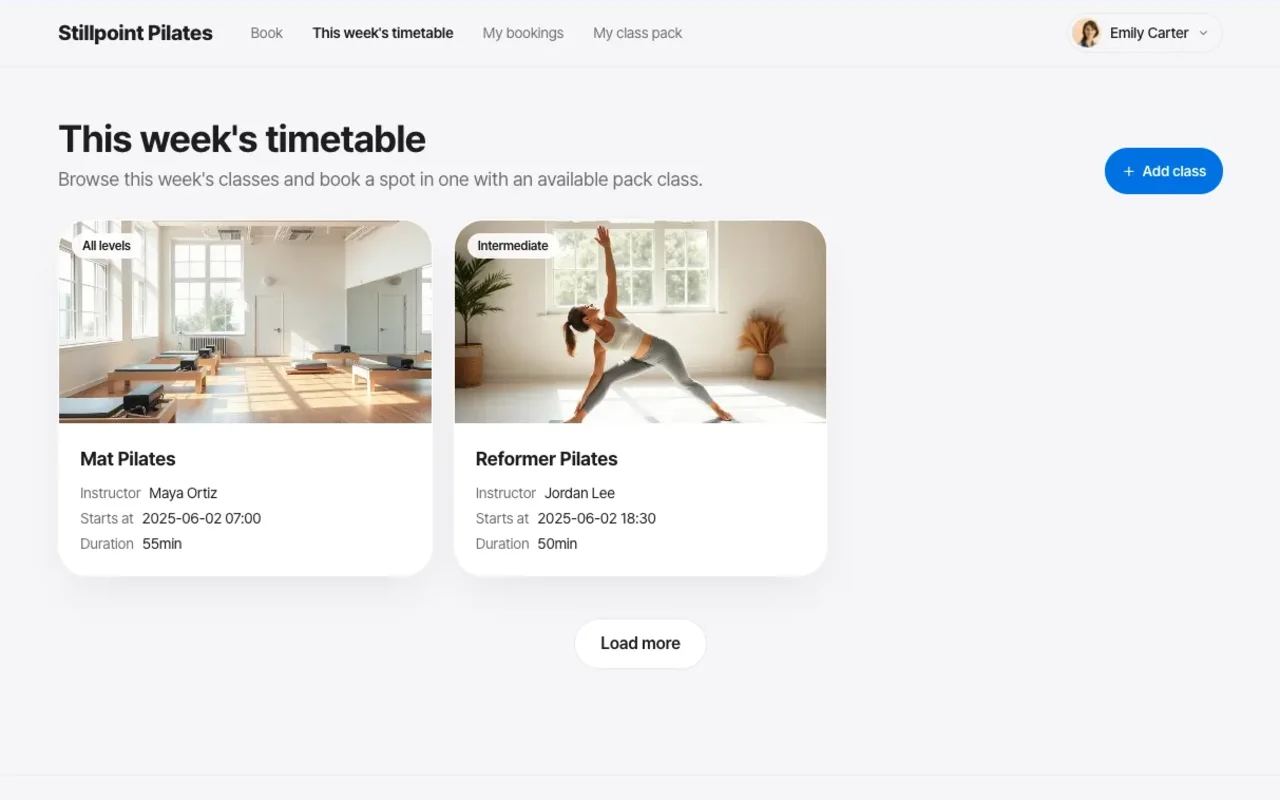
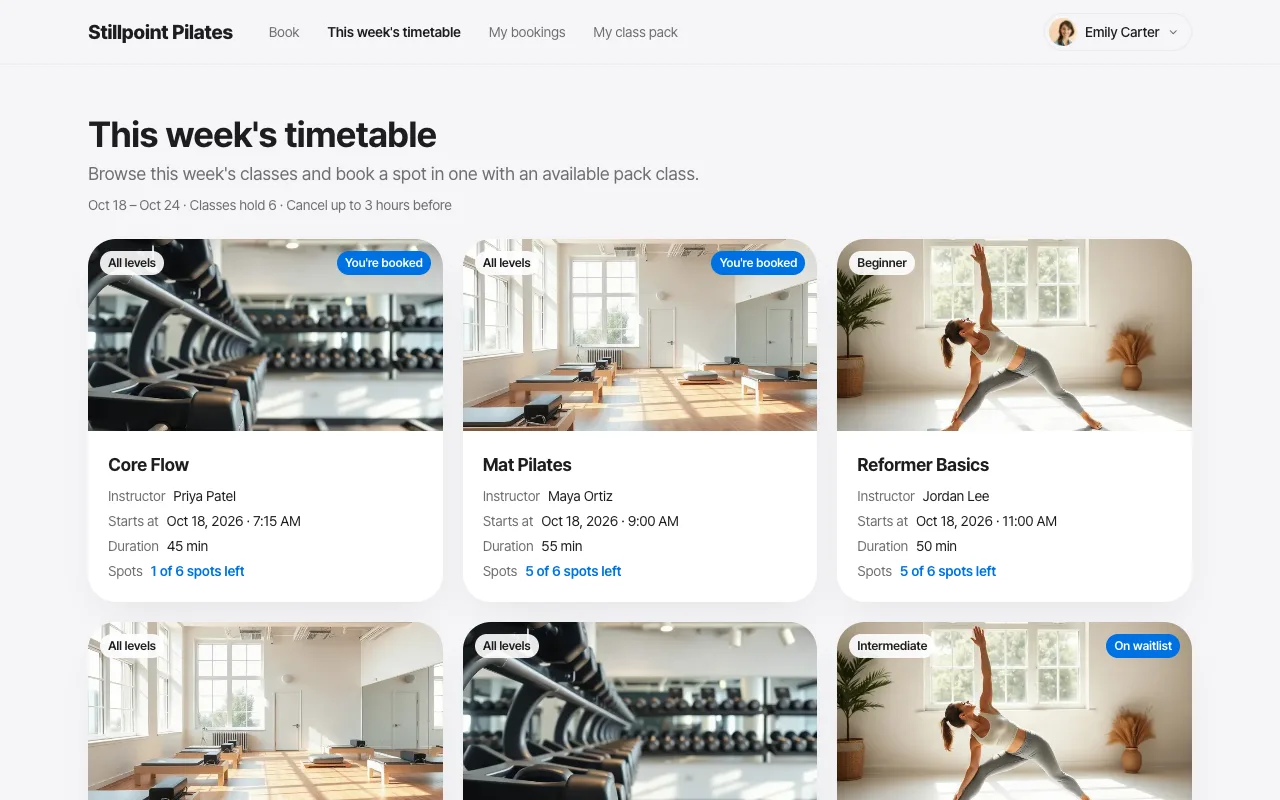
The parts you'd have to handle yourself in v0 are included:
- An admin dashboard from day one, with lists, search, status filters, and editing for every kind of record.
- Server and database included. Each app runs in its own isolated space, so no extra sign-ups.
- Automatic checks before hand-off. fingr confirms that logged-out visitors can't see other people's records and that regular members can't open the admin area, fixes anything it finds, and checks again.
- Guided connections to real services. Payments, SMS, and maps work once you paste in keys from those providers. fingr shows you how to get them, and the app runs in test mode until then.
Side by side
| v0 | fingr | |
|---|---|---|
| Best at | Polished UI, fast mockups | A finished business app |
| How you start | Chat, screens appear right away | Questions, research, features, then design, then the app |
| Data and logins | Connect outside services | Included |
| Admin dashboard | Build it separately | Included from the first version |
| Hosting | One click to Vercel | Live as soon as the build finishes |
| Editing code by hand | Easy via GitHub | No editor; download code on a paid app |
| Tech stack | React, Next.js | Set by fingr, not selectable |
| Pricing (official pages, Oct 21, 2026) | Free, Plus $30/user/mo, Business $100/user/mo; hosting and database extra | One app on free credits; $49/month per upgraded app (hosting included) |
| Best for | Designers, developers, front-end teams | Owners, solo founders, product people |
v0's pricing changed several times in 2026. Check v0's official pricing page before you commit.
How costs add up
On v0, each message draws from your plan's credits based on the work involved. Per the official pricing page on October 21, 2026, Free gives new users $5 in one-time credits and 7 messages a day, Plus is $30 per user a month ($30 of credits plus $2 a day when you log in), and Business is $100 per user a month.
Hosting is a separate bill. Vercel's Hobby plan is free but limited to personal, non-commercial use, so a business app needs Pro at $20 a month. A separate database or auth service may add its own bill once usage grows. For every tool's pricing in one table, see AI app builder pricing compared.
With fingr:
- You can build one app with free credits. No card required.
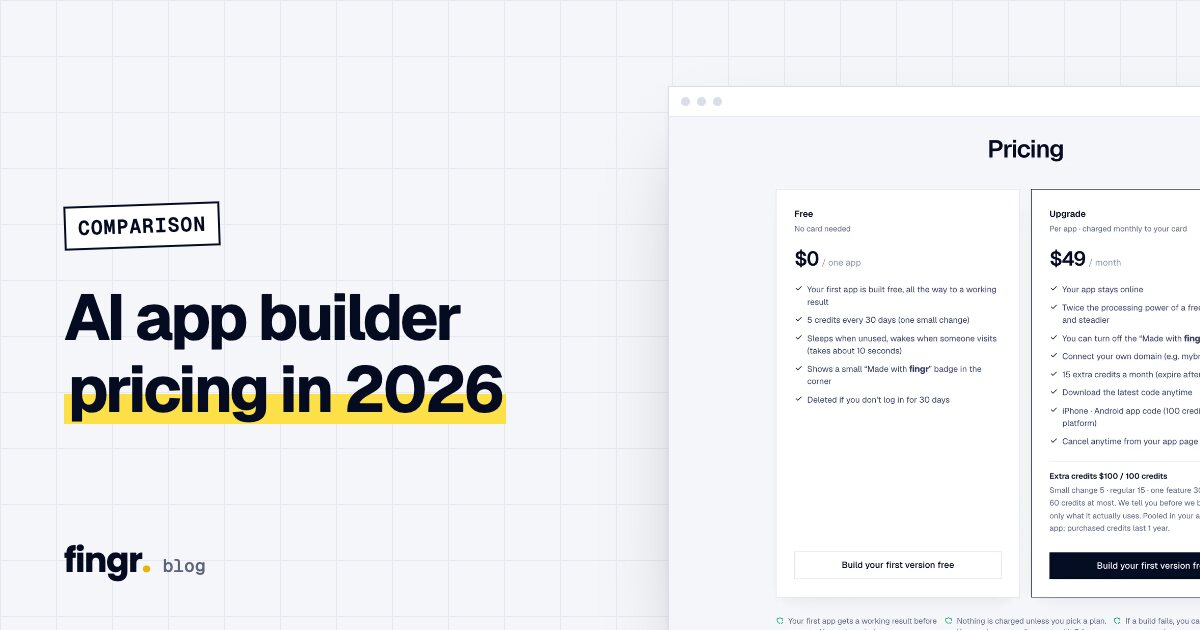
- Upgrading an app costs $49/month. It stays online 24/7, can use your own domain, and hosting and the database are included.
- Changes use credits, with a cap shown up front. A small fix is at most 5 credits and a new feature at most 30. After the work is done, only the actual cost is deducted, and failed builds are refunded.
Knowing the maximum cost before you hit "build" matters a lot when you're not a developer and can't predict how big a change is.
When v0 is the better choice
- You already have developers and want to cut down on front-end work.
- You often turn Figma designs into React code.
- Your company standardizes on Next.js and Vercel.
- You need a marketing page or event page that barely stores any data.
When fingr is the better choice
- You need an app that stores and manages customer data: bookings, orders, members.
- You want something your business can use today, without hiring a developer.
- You're still shaping the idea and want help with planning and market research first.
- You need a dashboard where you, the owner, run day-to-day operations.
fingr isn't for everyone. If you're a developer who wants to edit code line by line, or your team has to use React, v0 or a developer tool will feel better. fingr doesn't let you choose the stack, and code editing happens after you download it on a paid app. For every tool side by side, see the 2026 AI app builder comparison. For developer-focused coding agents, read Claude Code, Codex, and Gemini vs fingr.
Bottom line
v0 is one of the fastest ways to get great-looking screens. fingr is built to get you a running business app. Decide whether your goal is the interface or the operation, and the choice gets easy.
If you need an app you can run, start with a sentence or two. Answer the questions, tweak the design, and build your first app with free credits. Build your first app with fingr
FAQ
What is the main difference between v0 and fingr?
v0 is excellent at generating polished React and Next.js interfaces, but you connect your own database, login, and payment services. fingr plans, designs, and builds a full app with sign-up, data storage, an admin dashboard, and hosting included.
Can a non-developer use v0?
Making screens in v0 is easy. Turning them into a running service usually means choosing a database and auth provider, setting access rules, and configuring deployment, which is where many non-developers get stuck.
Where does a fingr app run?
When the build finishes, the app is already live at a real web address with a test account. On the paid plan you can connect your own domain.
How does pricing compare?
Per v0's official pricing page on October 21, 2026: Free ($5 one-time credits for new users, 7 messages a day), Plus at $30 per user a month ($30 of credits), and Business at $100 per user a month. Hosting on Vercel and your database are billed separately. With fingr you can build one app with free credits, and upgrading an app costs $49 per month with hosting included.
Start your app with one sentence
Answer a few questions, see the screens first, then turn them into a real app. You can build one app with free credits.